
Technical Services
The technical services are a major asset to the laboratory. In particular, they provide expertise in cutting-edge fields, which has led to the laboratory taking on highly visible leadership roles in numerous national and international projects.
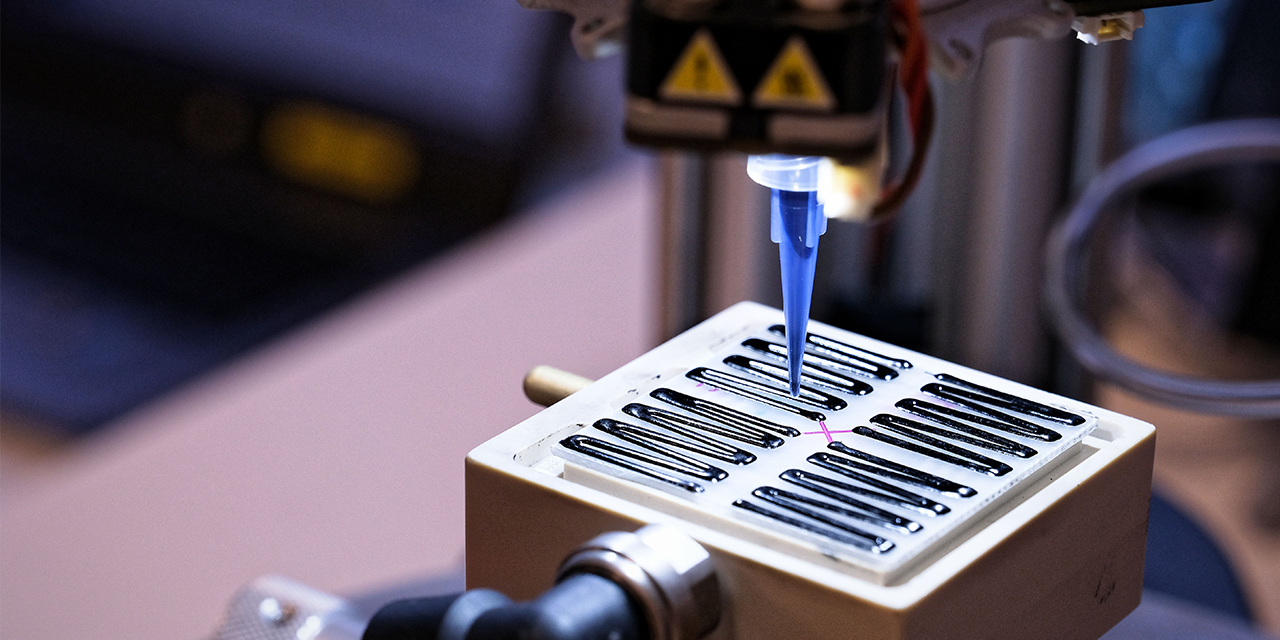
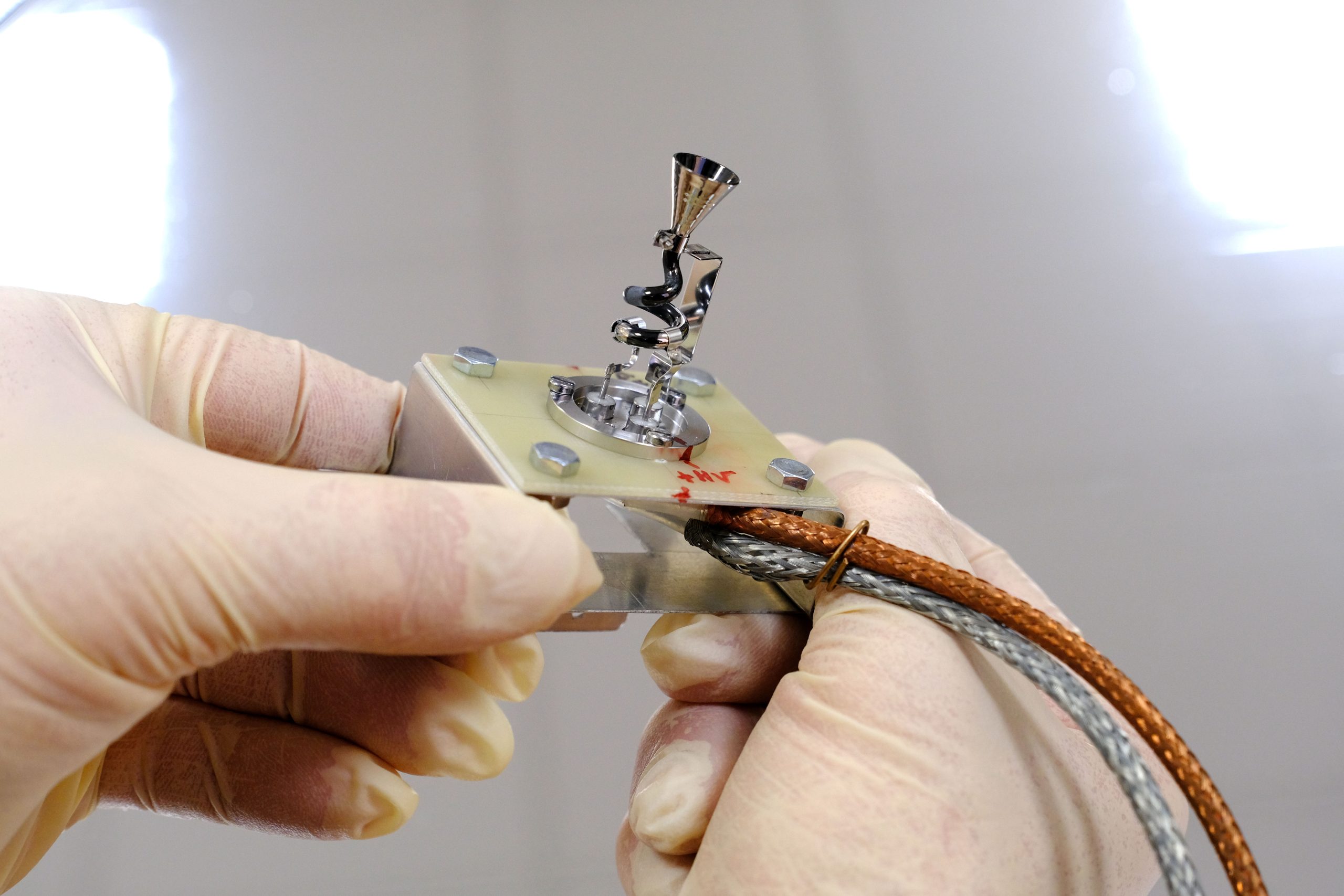
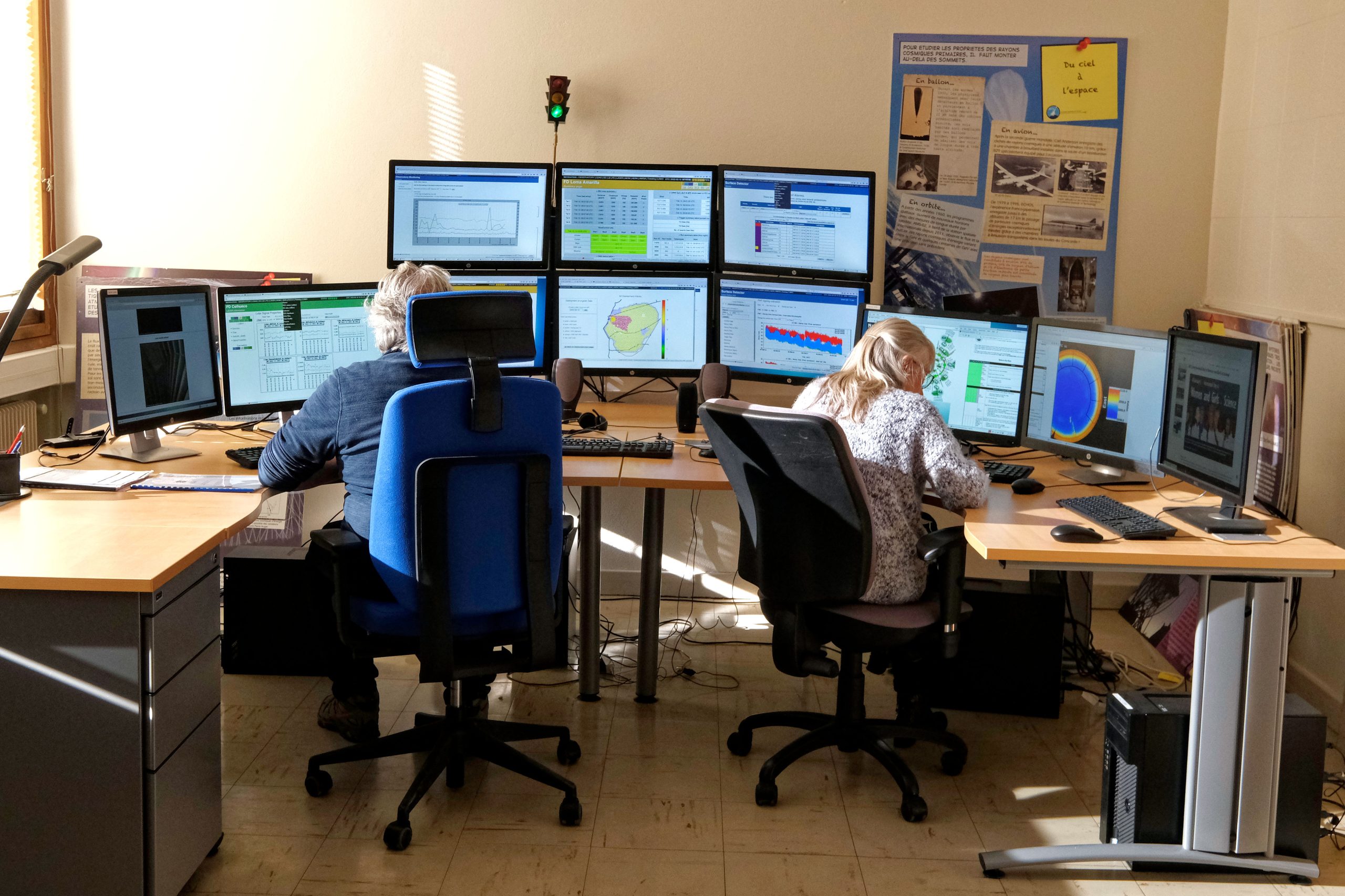
The Electronics Department (SE), the Mechanical Design and Manufacturing Department (SERM), the Detectors & Instrumentation Department (SDI), and the IT Department (SI) are responsible for the design, R&D, construction, implementation, and maintenance of detectors and systems that are central to the laboratory’s scientific projects. These departments are organized by functional area and provide the personnel and technical infrastructure necessary to carry out projects. Within each department, staff are assigned to multiple projects, with their level of involvement determined by the laboratory’s scientific priorities in consultation with the department head, who sets the department’s workload plan. These technical departments also enable the development of new areas of expertise through general R&D, which are then applied to the institute’s future projects (LHC Phase 2, ILC, LSST, Nika, Auger, Neutrino).
The Administrative and Financial Department plays an important role in managing relationships with the national oversight bodies of IN2P3 and the CNRS Delegation, as well as with university oversight bodies. Responsive and efficient, the department provides essential support to staff members both in managing their day-to-day careers and in preparing and tracking administrative paperwork within the diverse landscape of funding opportunities: university, national, and international calls for proposals (ANR), Labex and Equipex initiatives, as well as European projects.
The laboratory also benefits from targeted and ongoing initiatives by the Communications and Documentation Department, which tracks the scientific output of the laboratory’s staff, thereby helping to raise the laboratory’s profile among our governing bodies and evaluation agencies such as HCERES. It also carries out outreach activities aimed at the general public and provides support for organizing conferences and workshops at the laboratory.
Finally, the laboratory and its staff benefit from the efforts of the Health and Safety Department, in collaboration with the Infrastructure and Facilities Department—both of which play a central role in establishing infrastructure tailored to specific projects under optimal safety conditions throughout all of the laboratory’s buildings, including experimental halls and construction workshops.
The smooth operation of these services, made possible by the dedication of its staff, is the foundation of community cohesion and provides an environment conducive to the laboratory’s scientific and technical programs.